

Jompilih: Shop like a boss
Install APP
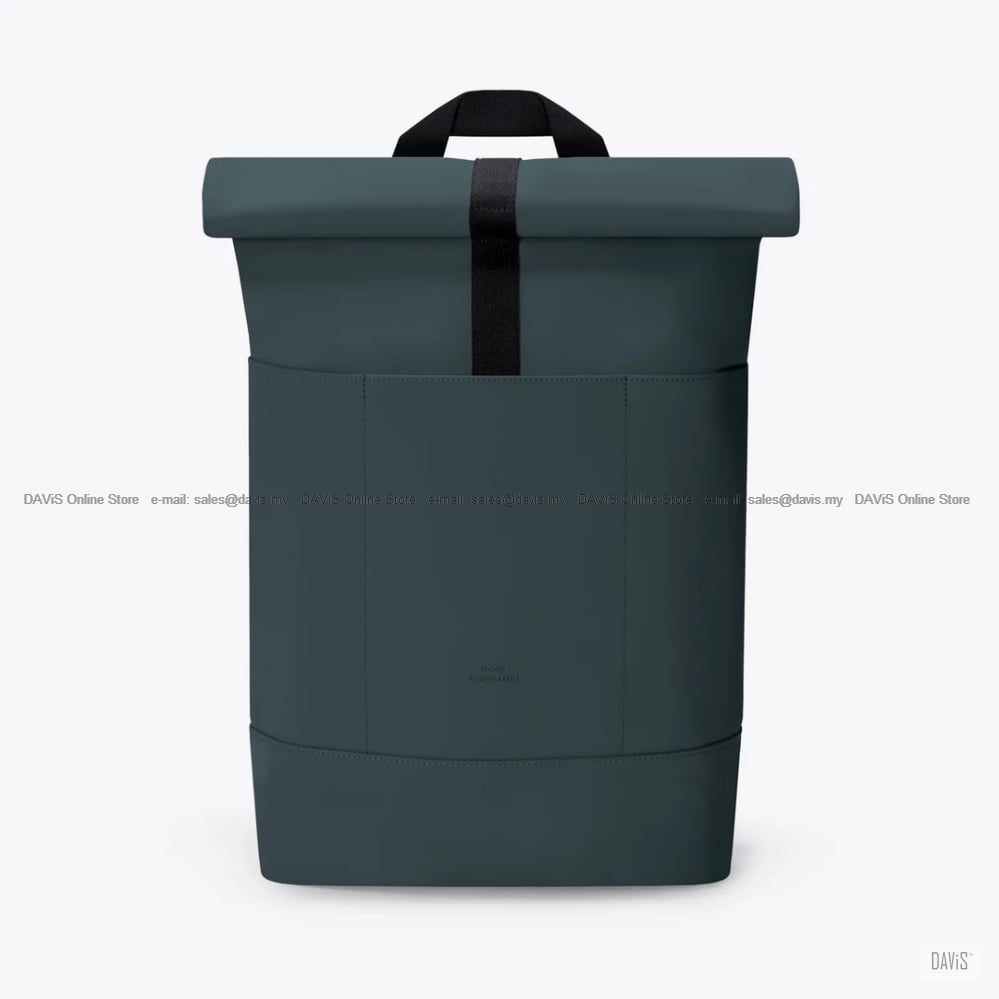
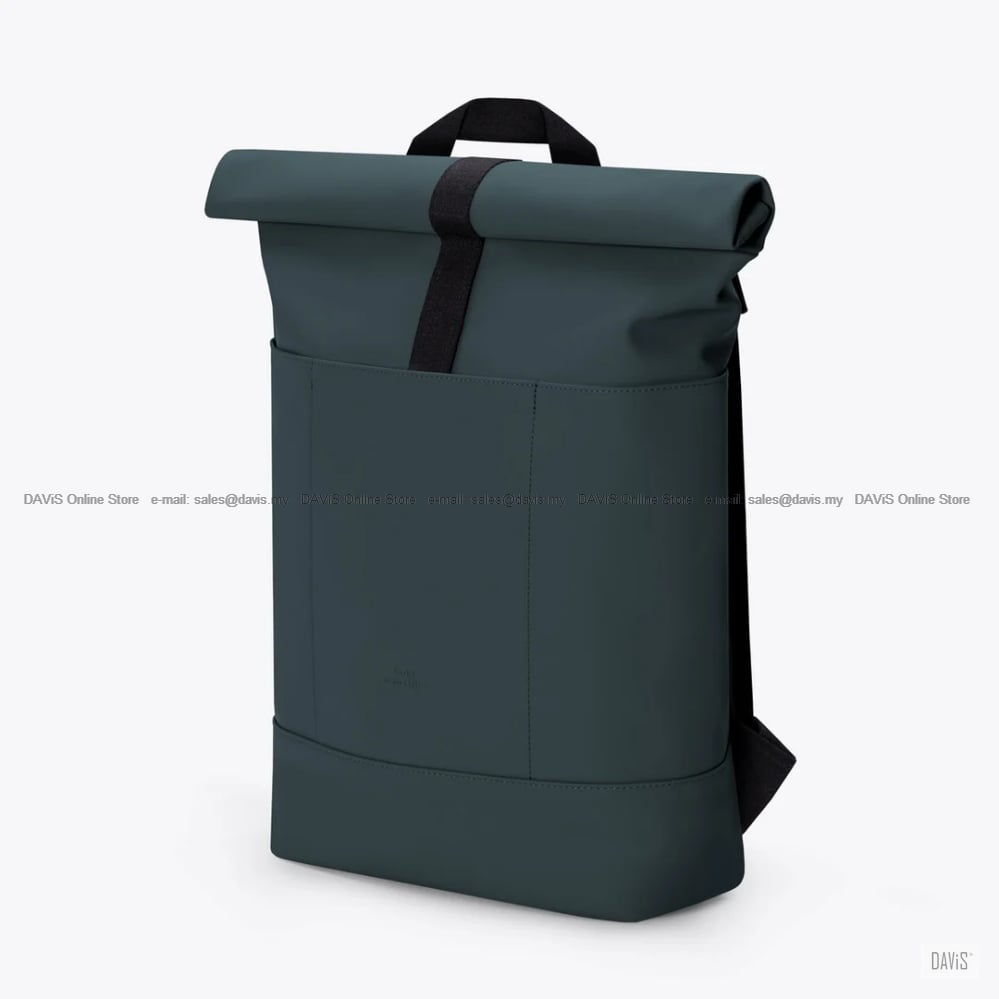
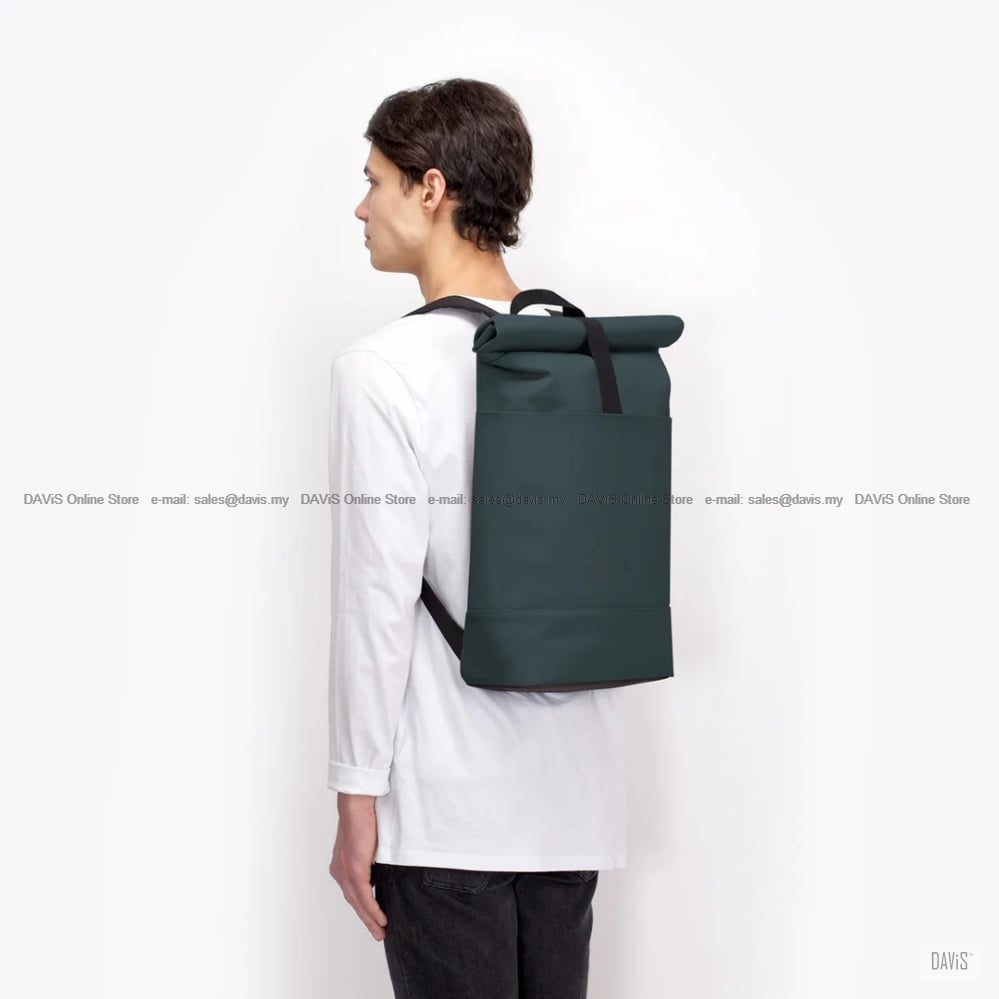
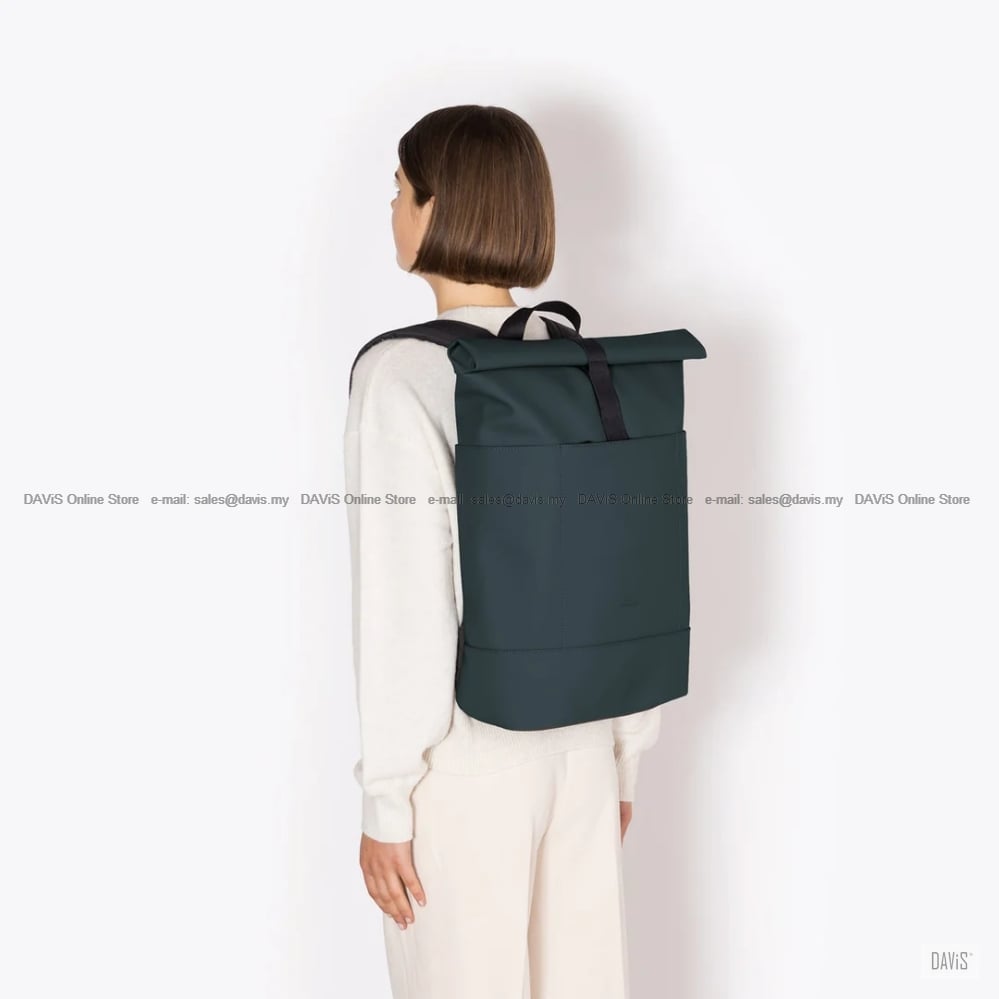
RM849.00 Original price was: RM849.00.RM679.20Current price is: RM679.20.
2 in stock

| Weight | 1.2 kg |
|---|---|
| Dimensions | 10 × 10 × 10 cm |
| Brands | UCON ACROBATICS |
Seller notes:
– Our products are guaranteed to be original and come from authorised dealers in Malaysia.
– All specifications and prices are subject to change without prior notice.
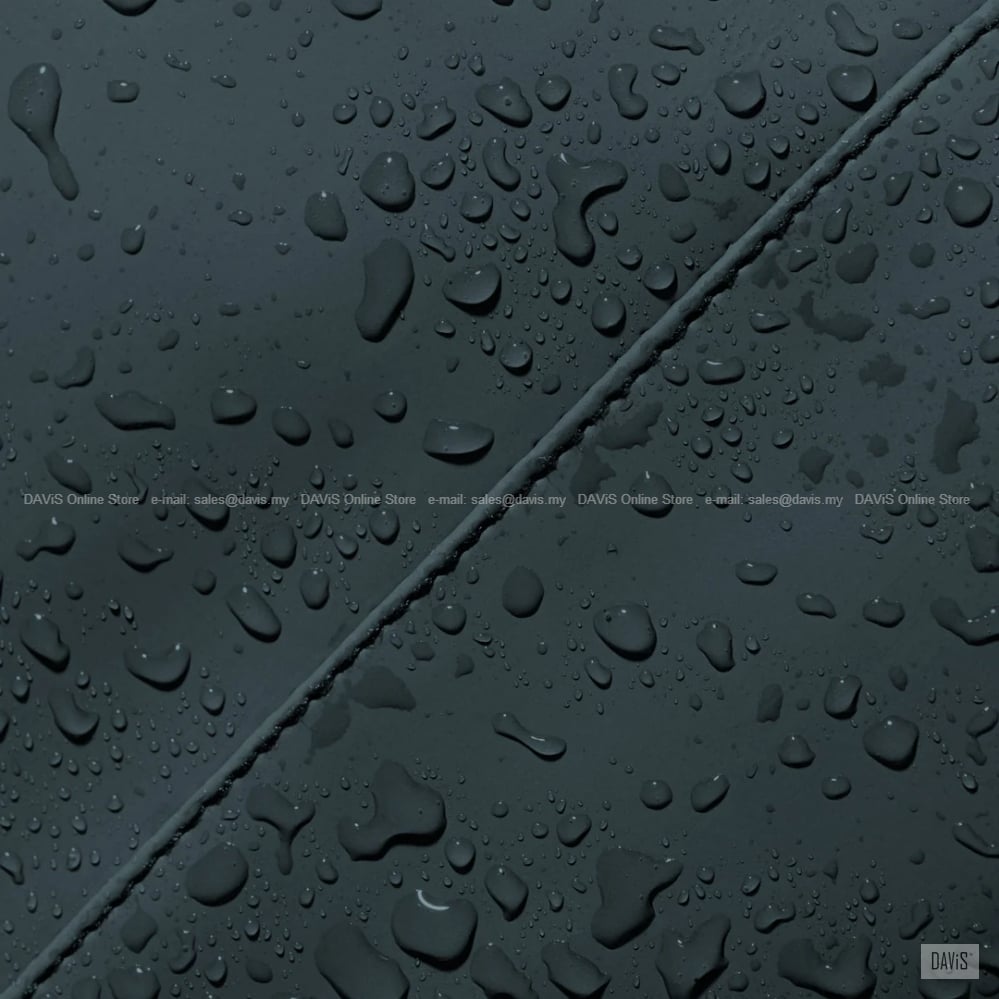
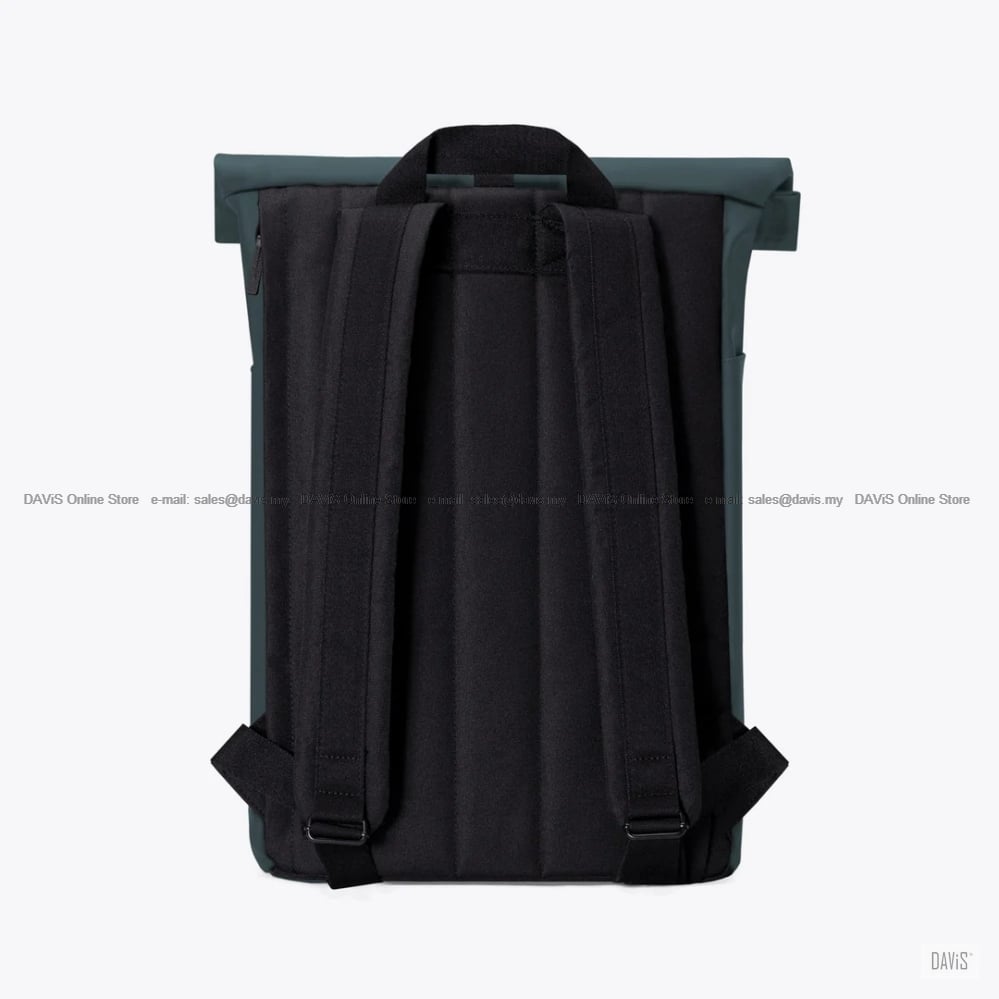
The Lotus Infinity Series is crafted from ‘PUrTEX∞’ – a custom ultra-durable tech material that Ucon Acrobatics developed over several years. It is made from recycled textile waste and finished with a rigid coating of solvent-free polyurethane (PU).
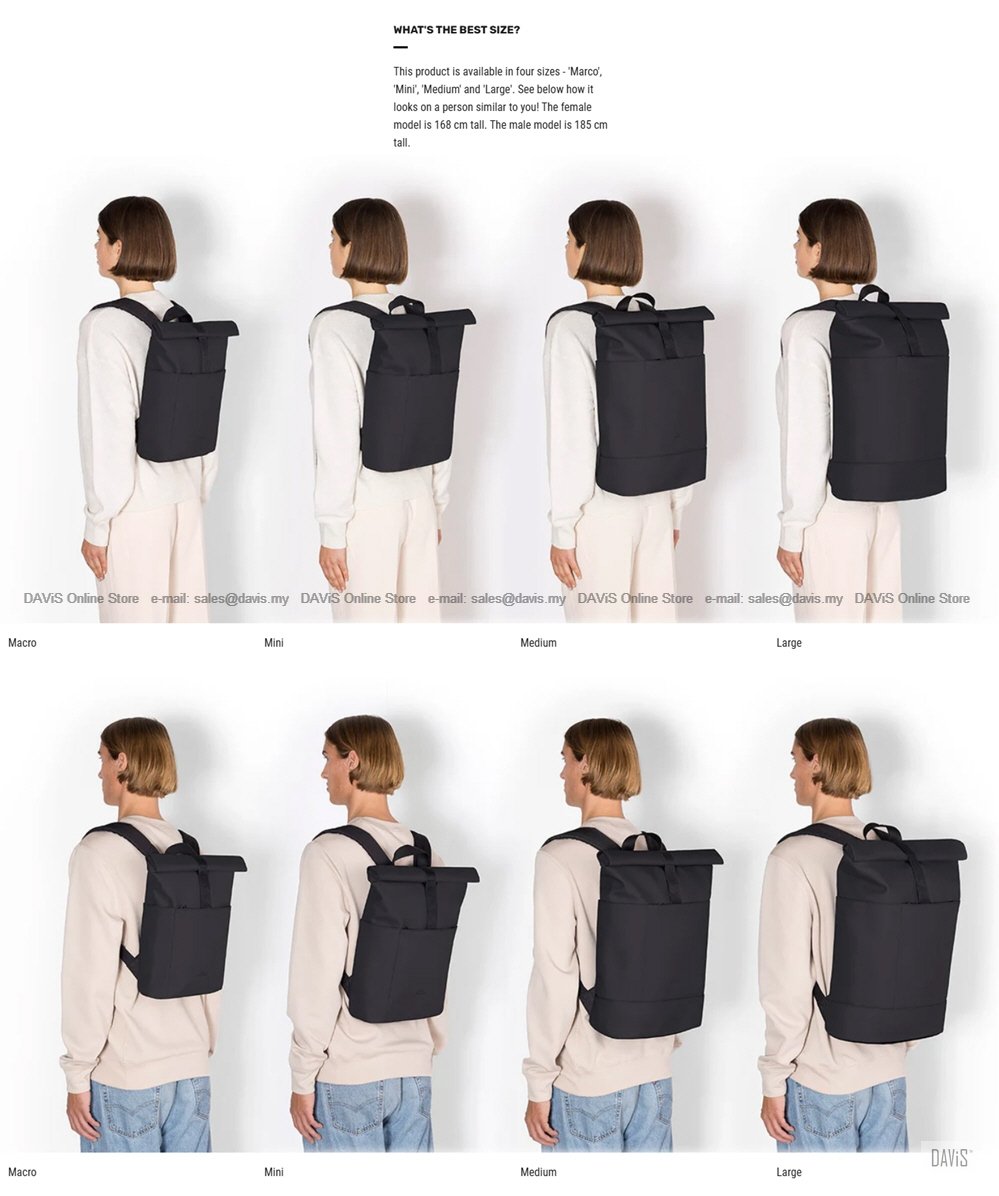
Dimensions rolled out: 60 x 30 x 12 cm
Dimensions rolled in: 50 x 30 x 12 cm
Capacity rolled out: 20 l
Capacity rolled in: 16 l
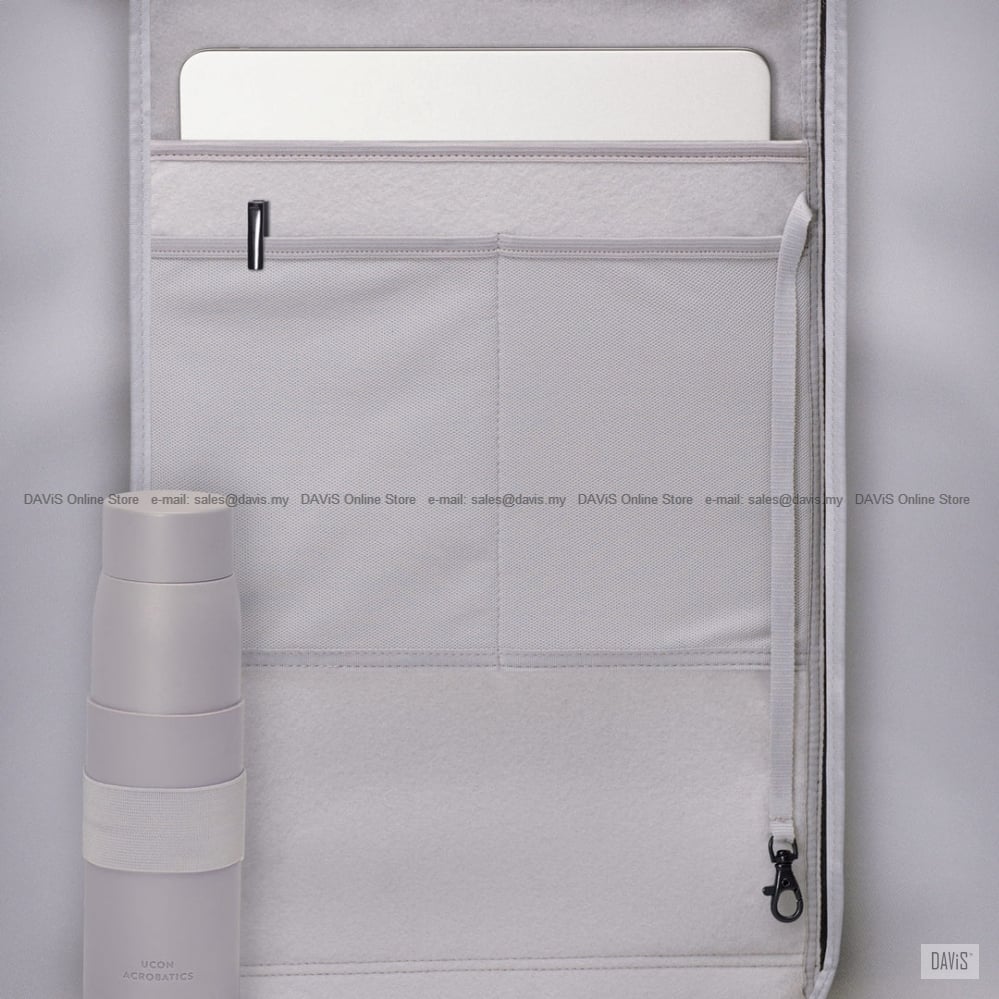
Laptop compartment: 28 x 42 cm (Up to 16″ MacBook Pro)
Weight: 1025 g
Material: Polyurethane (PU) with polyester from recycled textiles (rPET), solvent-free
Features
Custom-developed tech material by Ucon Acrobatics
Over 100x more scratch resistance than conventional artificial leather
Made from recycled fashion waste
Developed with the circular economy in mind
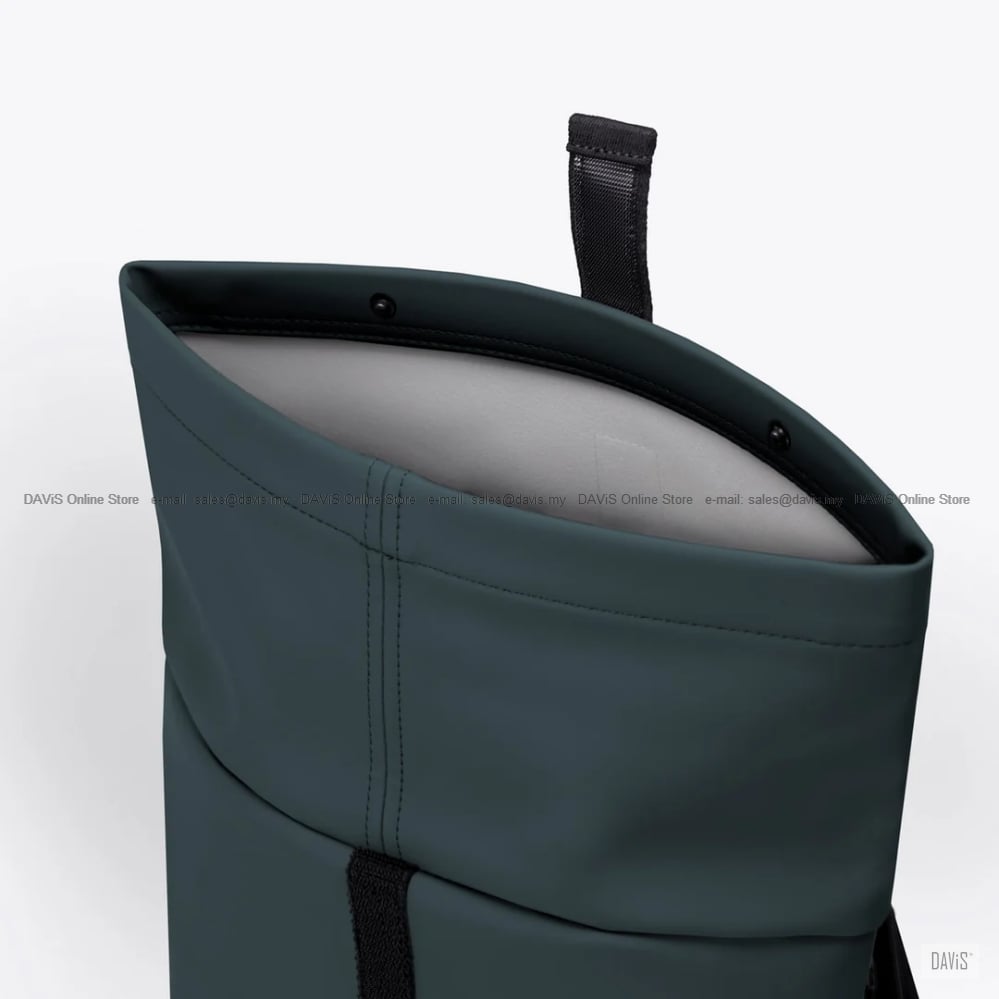
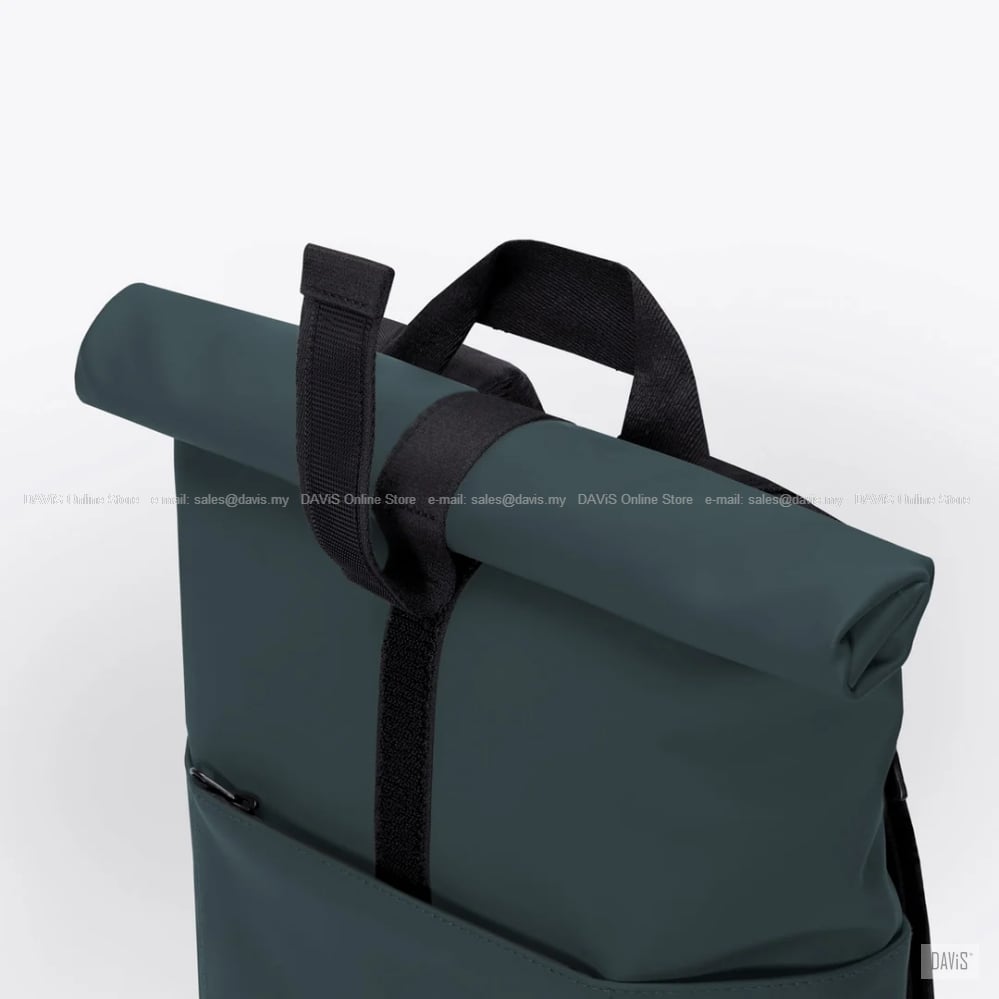
Roll-top for scaling the volume can be easily and quickly closed with hook and loop fastener
Main opening closes additionally with zipper
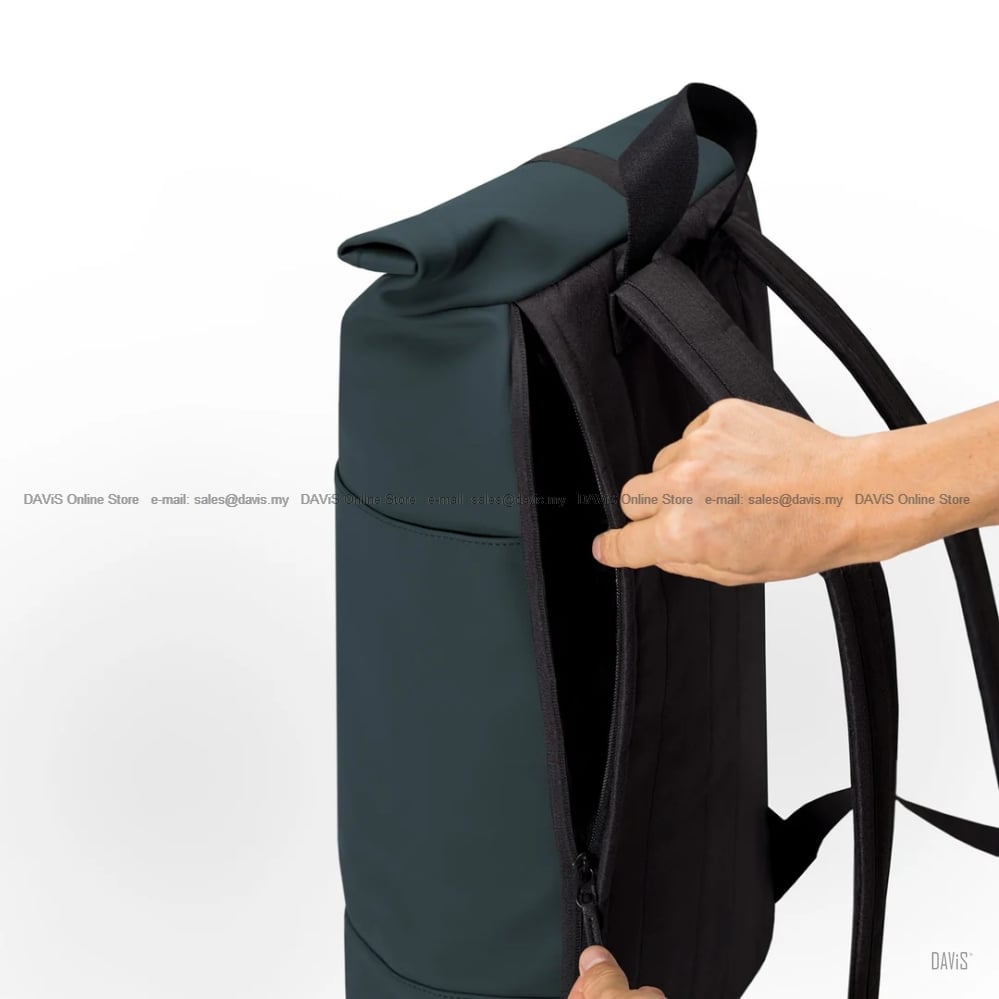
Quick access to the main compartment through vertical zipper
Two external pockets on the sides e. g. for umbrella or bottle
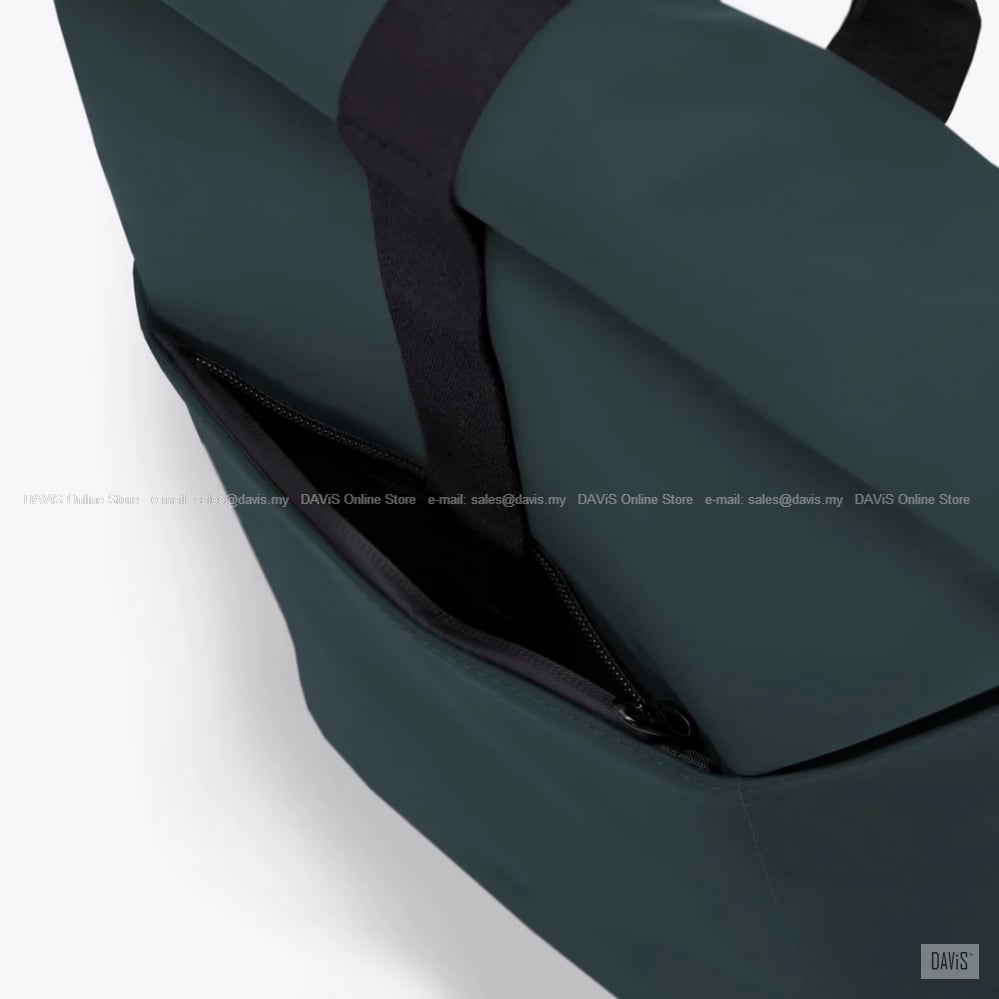
An external pocket on the front closes with water-repellent zipper e. g. for cell phone or wallet
High-quality interior compartment with built-in shock absorber fits a 16,4″ laptop or tablet
Two mesh pockets e. g. for cell phone, wallet or cable
Elastic bottle holder and keychain inside
Reinforced back with padding
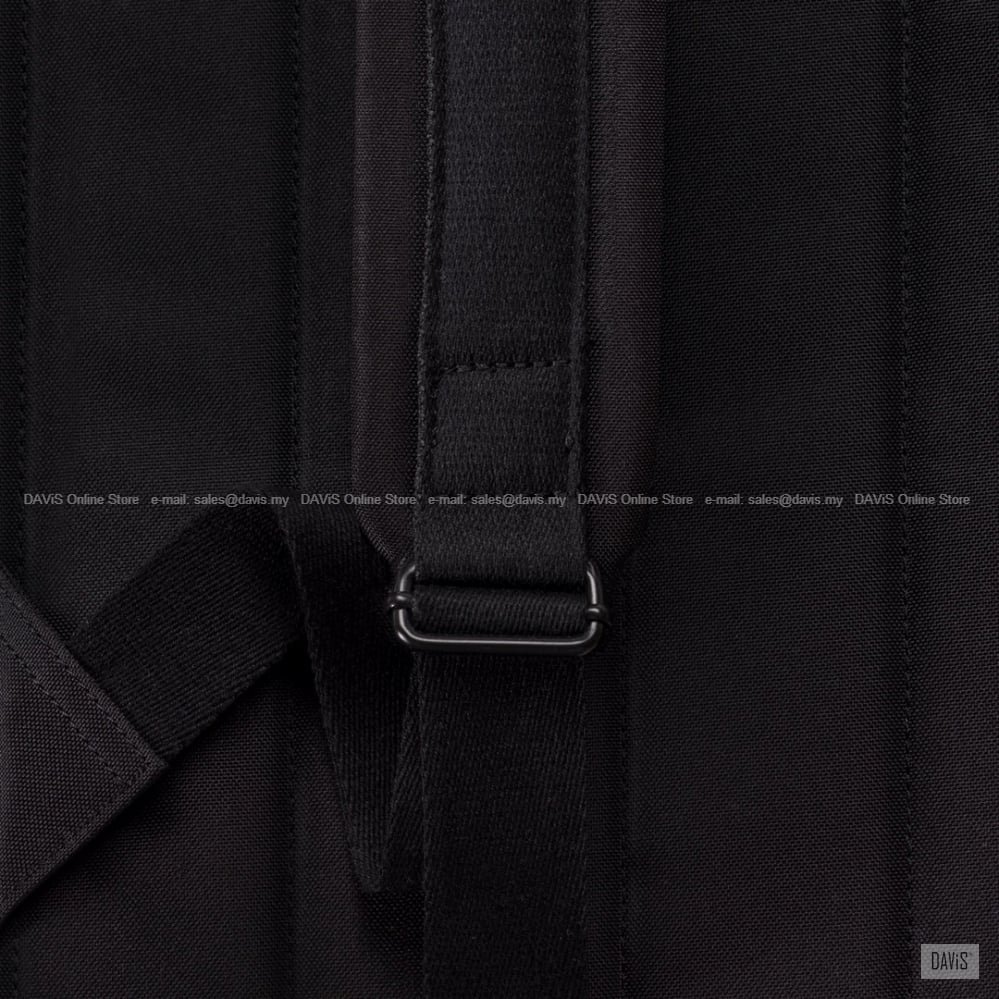
Adjustable and padded shoulder straps guarantee comfortable fit of the backpack
Padded bottom part for more safety and stability
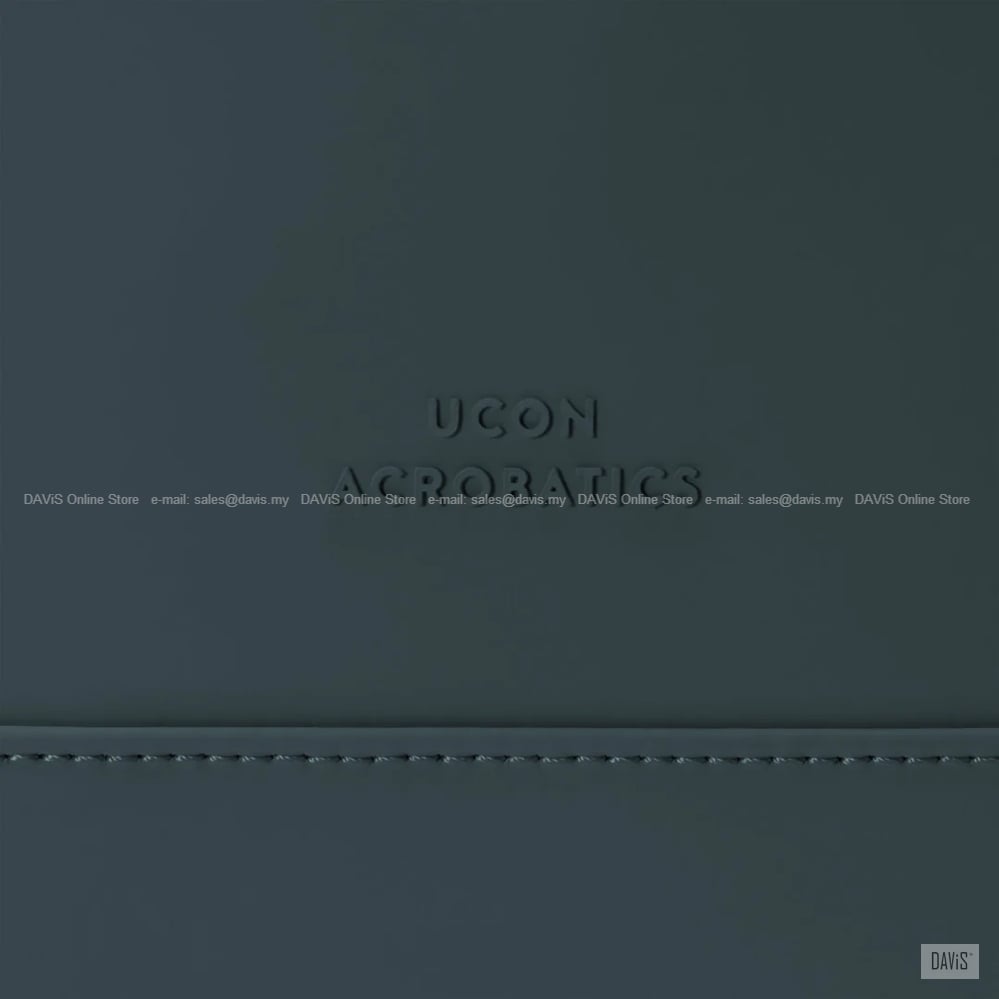
Protruding ‘Ucon Acrobatics’ print
Manufacturing
Bluesign® system-partnership means we avoid harmful chemicals during production
Materials
‘PUrTEX∞’ is a custom ultra-durable tech material. Ucon Acrobatics has developed this progressive material over several years – which is second to none. Increased longevity – reduced thickness. Lower ecological footprint and steps into circularity. It is made from recycled textile waste and finished with a rigid coating of solvent-free polyurethane (PU). The PU foam layer has a cross-link structure, so the functional aspects are similar to molded rubber. The high performance has been proven in test results. The surface adhesion strength is four times better and the scratch resistance even improved over 100 times compared to conventional artificial leather. Furthermore, PU making is free of solvents such as DMF and VOC. The CO2e is reduced by over – 50%, the energy is reduced by over -40% and comes mainly from renewable sources. For the base of the material, post-consumer textile waste is transformed into recycled PET yarn in a chemical recycling process. The resource-saving spin dyeing process (“dope dye”) is applied even before the interlock fabric is knitted. The savings of this are huge – water consumption is reduced by up to -90%, chemical consumption by up to -80%, energy consumption and CO2e emissions by up to -50%.
Components
Main Shell Material: 51% Polyurethane (PU), 49% Polyester (rPET) fiber-to-fiber recycled from post-consumer textile waste, dope-dyed
Secondary Shell Material: 54% Polyester (rPET) fiber-to-fiber recycled from pre-consumer/ post-consumer textile waste, dope-dyed, 46% thermoplastic Polyethylene (TPE)
Inner Material: 100% Polyester (rPET) fiber-to-fiber recycled from pre-consumer/ post-consumer textile waste, dope-dyed
Cushion Material: 100% Polyester (rPET) fiber-to-filler recycled from pre-consumer textile waste
Webbing Band: 100% Polyester (rPET) fiber-to-fiber recycled from pre-consumer/ post-consumer textile waste, dope-dyed
Metal Hardware: 100% Iron (FE), painted
Sustainability & Circularity
Sustainability is deeply rooted in our company’s DNA. As a value-driven company, we share common convictions and want to lead the circular economy in our field.
Design Principles
Our design developments focus on durability, as bags and backpacks are meant to be used daily and intensively for years. Minimalist design is also timeless and, in the best case, extends the usage period.
We consider the impact of production with every new product and the entire life cycle. We thoroughly research materials, processes and emerging technologies to understand and reduce the environmental footprint of each product. In the shift from a linear to a circular economy, all components must undergo a review based on the following criteria:
1. Reduced environmental impact
2. Longevity
3. Recyclability
Mono-Material Products
A mono-material is only composed of a single type of material, so it is typically easier to recycle than products made from different things. Also, the higher the material purity, the less energy is needed for depolymerization (chemical recycling). Our goal is to create products from 100% recycled mono-materials from our own industry – in our case PET from textile waste. The following two recycling methods are essential to make products from old textiles.
Fiber-to-Fiber Recycling
This method is a closed-loop process in which used textile fibers are transformed into new fibers to create new textile products, reduce waste, and maximize material reuse. The following two recycling processes are particularly important for manufacturing our products from used textiles.
1. Mechanical Recycling
We use this textile recycling process for industrial textile waste (Pre-consumer). These leftovers from fabric production are mechanically recycled with little energy input. The resulting fibers are shortened, which is why we use them to produce different types of felt. This can be used in soft form as an inner lining or stiff form instead of hard plastic for reinforcement.
2. Depolymerization
We use this textile recycling process for end consumers’ textile waste (Post-consumer). This is mainly workwear, which also contains a high proportion of polyester. These synthetic fibers are broken down into their original chemical building blocks and used to make new synthetic fibers. Often called chemical recycling, our process is based on saccharification, fermentation and alcoholysis. This process requires more energy and chemicals as mechanical recycling but produces higher-quality recycled fibers for new textiles.
Fiber-to-Filler Recycling
This method is an open-loop process that uses textile waste from the fashion industry with a high polyester content already dyed. These are mainly scraps from sewing factories, downcycled into thick felt elements with little effort and used in invisible areas of the backpack. Such mixed textiles are hard to recycle and often end up in landfills or get burned.
Dope Dye
Dope dyeing is a process that adds color to fibers before they are spun into yarn. The savings are enormous – water consumption is reduced by up to -90%, chemical consumption by up to -80%, energy consumption and CO2e emissions by up to -50%. UV stability is also significantly better, as is color fastness to rubbing.
Only logged in customers who have purchased this product may leave a review.

Every payment you make on Jompilih is secured with strict SSL encryption and PCI DSS data protection protocols.
Claim a refund if your order doesn’t ship, is missing, or arrives with product issues.
Sellers are registered with Suruhanjaya Syarikat Malaysia (SSM), ensuring accountability and trust in every transaction.
RM849.00 Original price was: RM849.00.RM679.20Current price is: RM679.20.
2 in stock
Every payment you make on Jompilih is secured with strict SSL encryption and PCI DSS data protection protocols.
Claim a refund if your order doesn’t ship, is missing, or arrives with product issues.
Sellers are registered with Suruhanjaya Syarikat Malaysia (SSM), ensuring accountability and trust in every transaction.




Reviews
There are no reviews yet.